


What's in a Name? The Controversial History of Chase River
May 26, 2026

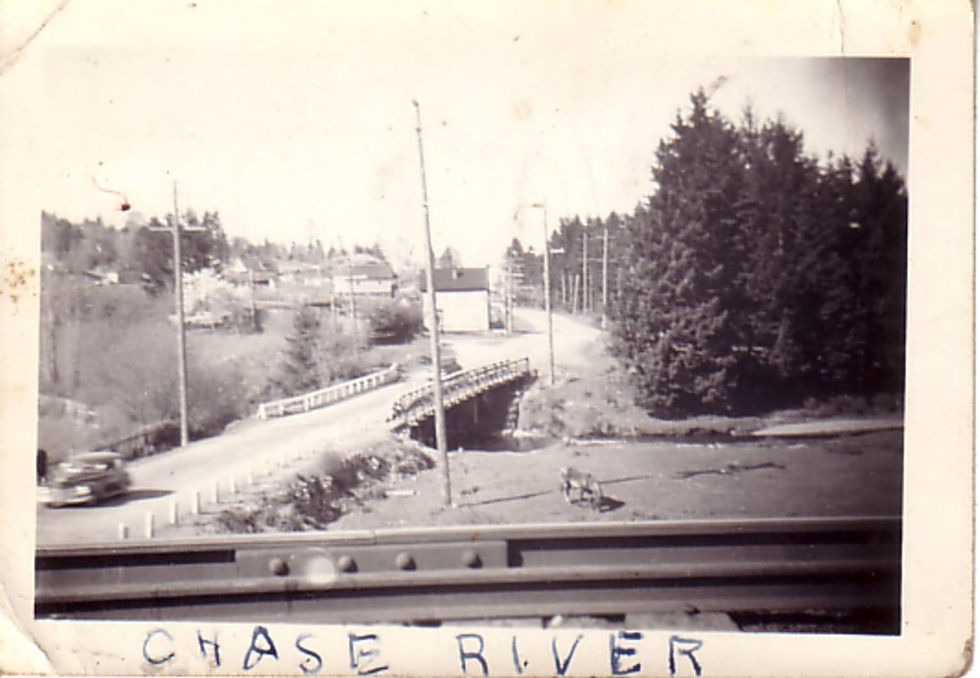
For most Nanaimo residents, "Chase River" is simply the name of a neighbourhood. It's schools and soccer fields, old farmland and new developments. It's the river winding through the south end. It's generations of families who have called the area home.
But recently, the name itself has become the centre of a growing debate.
In March, Nanaimo-Ladysmith Public Schools voted unanimously to begin exploring the possible renaming of Chase River Elementary School after concerns were raised about the violent origins of the name.
For many residents, it was the first time they had ever heard the story. And like many stories in British Columbia, it's complicated.

The Chase That Named a River
According to historical records and BC Geographical Names, the name "Chase River" dates back to the winter of 1852-53, during the earliest years of colonial Nanaimo.
At the time, the Hudson's Bay Company had only recently established a settlement in what was then called Colvilletown – later renamed Nanaimo after the Snuneymuxw people.

After the killing of a Hudson's Bay Company shepherd named Peter Brown, colonial authorities under Governor James Douglas launched a pursuit of two Indigenous suspects – one identified in historical accounts as a Cowichan man and the other as a Snuneymuxw man named Siamsit. Fresh snow reportedly allowed pursuers to track one of the men to the river.
The "chase" ended there.
Some modern accounts state that Siamsit's village was burned during the pursuit, citing a letter attributed to Captain John Moresby, which I was not able to find. In contrast, Governor James Douglas’s official dispatches emphasized avoiding broader punishment of the tribe, and the most comprehensive historical records available seem to suggest the village was not destroyed.
The men were rapidly tried aboard the SS Beaver and hanged the same day at what became known as Execution Point on Protection Island – later renamed Gallows Point.
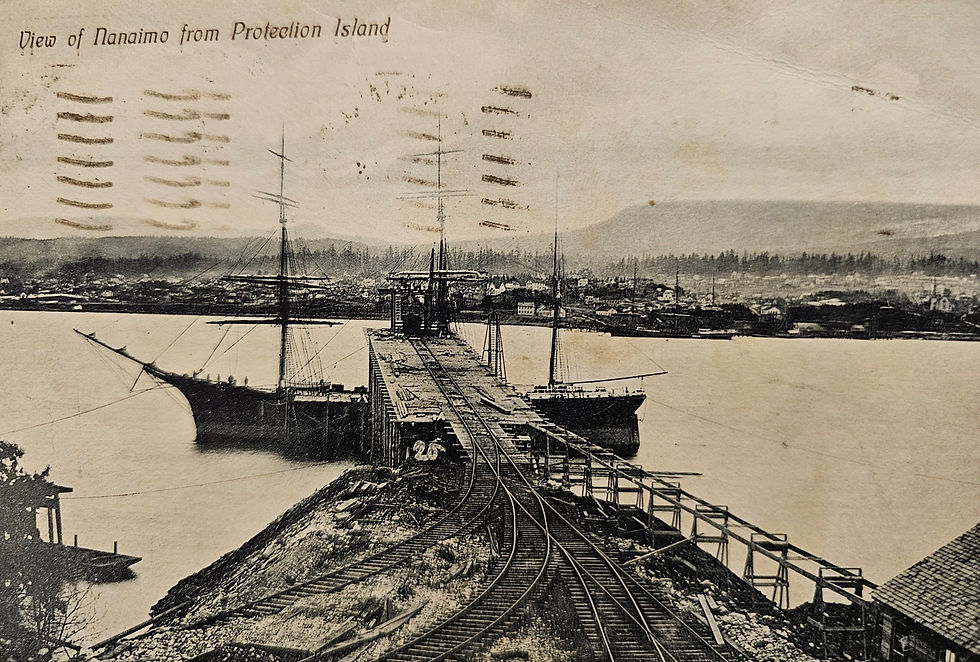
Today, critics of the name argue that a modern public school should not carry a name tied to the pursuit and execution of Indigenous people during the colonial era.
"Given this history, we have concerns about whether the current school name ... would feel welcomed, honoured and represented in their learning environment," assistant superintendent Jacquie Poulin told trustees during the March meeting.

More Than One History
But Chase River’s story does not begin – or end – with that incident.

The area's history is layered with coal mining, farming, logging, immigration, and some of Nanaimo's earliest multicultural settlement.
One of the most remarkable chapters belongs to the Stark family.
Louis and Sylvia Stark were among the Black pioneers who came to Vancouver Island in the 1800s seeking freedom and opportunity after fleeing racism and discrimination in the United States. They eventually established a farm in Chase River in the 1870s.
Their daughter, Emily Stark, would later become one of the first Black schoolteachers in British Columbia.

The family became deeply woven into the identity of the area. Stark's Crossing and Stark's Ridge still preserve part of that legacy today.
The Chase River and Cinnabar area also became home to Finnish settlers, coal miners, farmers, and working-class families. They built strong neigbourhoods around churches, halls, schools, and businesses across the south end.
Many longtime residents see the name "Chase River" as representing that community history – not the 1853 incident itself.
That tension is now at the heart of the debate.


Reconciliation or Erasure?
The controversy reflects a broader conversation happening across Canada about how communities should deal with historical names connected to colonialism and violence.
In recent years, schools, streets, parks, and monuments across the country have been renamed or reconsidered through the lens of reconciliation.
Supporters of changing the name say names matter. Public institutions, especially schools, should make Indigenous students and families feel respected and included. To them, retaining the name risks normalizing a painful colonial story.
Others worry society is entering a cycle of endlessly re-litigating history.
Some residents argue that removing difficult names can unintentionally erase public awareness of the past rather than deepen understanding of it. Many also point out that modern residents inherited these names without necessarily knowing their origins.


Ironically, the current controversy may have taught more people the history of Chase River than at any point in decades.
That raises an uncomfortable but important question:
Is it better to remove troubling historical references – or preserve them while openly teaching the full story behind them?
There may not be an easy answer.

A Community Conversation
The school district says consultation will take place with Snuneymuxw First Nation, local governments, parents, and the broader community before any decision is made.
Whatever happens, the discussion has already accomplished something significant: it has pushed many residents to look more deeply at the history of the place they live.
And that history, like much of Nanaimo’s past, is neither simple nor one-dimensional.
Read our coverage and see photos of Chase River and Cinnabar Valley Heritage Day.







Very well written. Thank you for this enlightening and unbiased article.